
Kyoto
Where Tradition Lives and Breathes
Japan's cultural heart beats in Kyoto \u2014 a city of two thousand temples, immaculate gardens, and living traditions passed down through generations. Here, every stone path and sliding screen tells a story a thousand years in the making.
Destination Overview
Over a thousand years of history, preserved in temples, gardens, and living traditions.
Kyoto served as Japan's imperial capital for over a millennium, and that legacy is woven into every detail \u2014 from the precise choreography of a tea ceremony to the seasonal kaiseki courses that change with each turning leaf. We go beyond the postcard to connect you with the artisans, monks, and masters who keep these traditions alive.
Highlights
The soul of Japan, one landmark at a time.
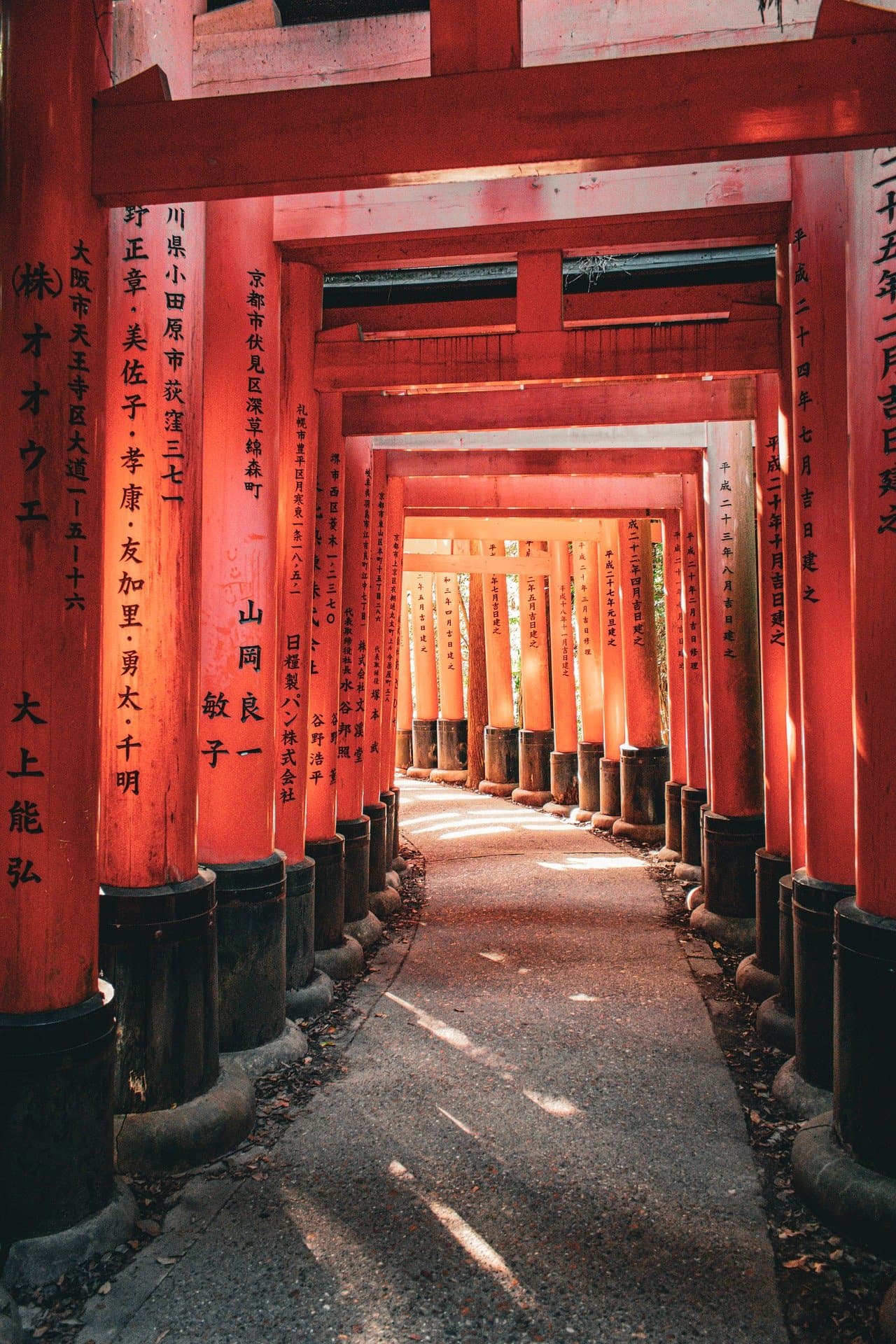
Fushimi Inari Shrine
Ten thousand vermilion torii gates winding up a forested mountainside — Kyoto’s most iconic spiritual walk.
Arashiyama Bamboo Grove
Towering stalks of bamboo filter sunlight into an ethereal green corridor on the city’s western edge.
Kinkaku-ji Temple
The Golden Pavilion, reflected perfectly in its mirror pond — a vision of Zen Buddhism’s devotion to beauty.
Gion District
Wooden machiya, stone-paved lanes, and the rare glimpse of a maiko gliding between tea houses at dusk.
Nishiki Market
Five blocks of Kyoto’s culinary soul — pickled vegetables, fresh yuba, dashi stocks, and seasonal wagashi.
Philosopher’s Path
A canal-side stone path lined with cherry trees, connecting Ginkaku-ji to Nanzen-ji through Kyoto’s quietest quarter.
Sample Experiences
Immersions designed for depth, not checklists.
Private Tea Ceremony
Step into a centuries-old chashitsu for an intimate tea ceremony led by a certified tea master. Learn the philosophy of ichigo ichie — one moment, one meeting.
Geisha District Evening Walk
Wander the lantern-lit streets of Gion and Pontocho with a local guide who knows the history behind every teahouse door and wooden façade.
Zen Meditation Session
Sit in zazen at a working Rinzai Zen temple. Guided by a resident monk, experience the silence and discipline that shaped Japanese aesthetics for a millennium.
Kimono Dressing & Photo Tour
Be dressed in a hand-selected kimono by a professional kitsuke artist, then stroll through Higashiyama’s photogenic streets with a local photographer.
Sake Brewery Visit
Tour Fushimi’s historic sake district and taste limited-run brews straight from the source. Includes a private tasting with the toji (master brewer).
Traditional Kaiseki Dinner
A multi-course seasonal dinner at a Michelin-recognized ryotei. Each dish is a meditation on Kyoto’s culinary philosophy — simplicity, seasonality, precision.
Kyoto at a Glance
A living museum, open year-round.
Best Time to Visit
Four seasons, each more beautiful than the last.
Spring
March – May
Cherry blossoms envelop Maruyama Park, the Philosopher’s Path, and the grounds of Daigo-ji. Kyoto’s hanami season draws visitors from around the world — we secure the private viewings and off-peak moments.
Summer
June – August
The Gion Matsuri transforms the city for the entire month of July — spectacular float processions, street food, and a thousand years of tradition. The lush green of temple gardens peaks in the summer humidity.
Autumn
September – November
Crimson maples frame Tofuku-ji, Eikando, and the hillsides of Arashiyama. The autumn light in Kyoto is unmatched — warm, golden, and fleeting. This is peak season, and early planning is essential.
Winter
December – February
A dusting of snow on Kinkaku-ji’s golden roof is one of Japan’s most breathtaking sights. Fewer visitors, special winter illuminations, and the warmth of a private onsen make this the season for the discerning traveler.
Start Planning
Your Kyoto journey awaits.
Share your interests and we'll design an experience rooted in Kyoto's deepest traditions.